
 Restaurant
Selected work
Virtual tours we have photographed around Buffalo
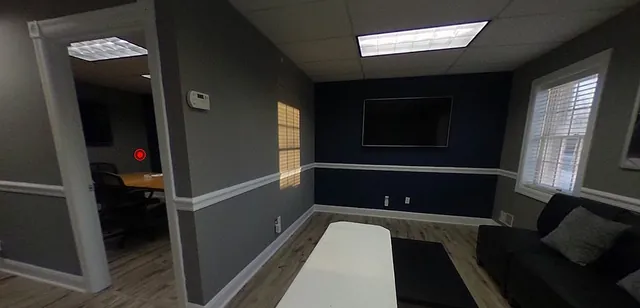
Every tour below was shot, stitched and hosted by us, and every one of them is live. Open one and look around. Drag to turn, scroll to zoom, and use the controls to move between points.
Tour viewer
Tours load only when you ask for them, so this page stays fast on a phone.
Thirteen live tours
Pick a space
Choosing a tour loads it into the viewer at the top of the page.
Restaurant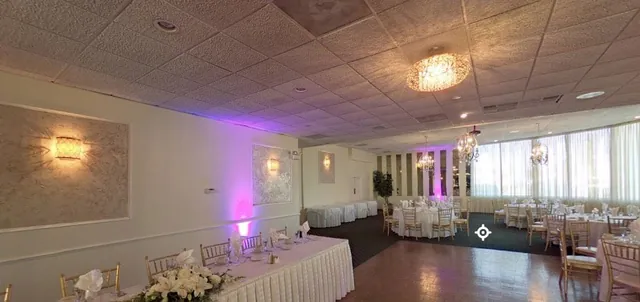 Weddings
 Outdoor
 Outdoor
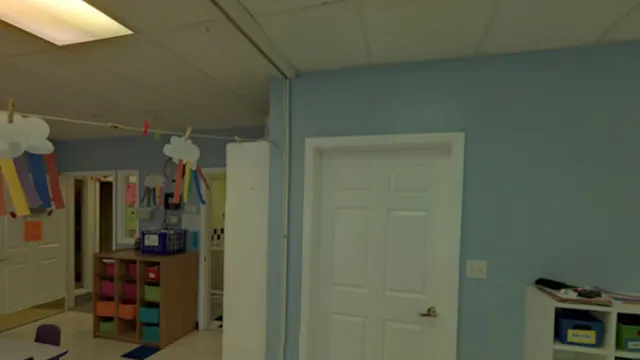 Business
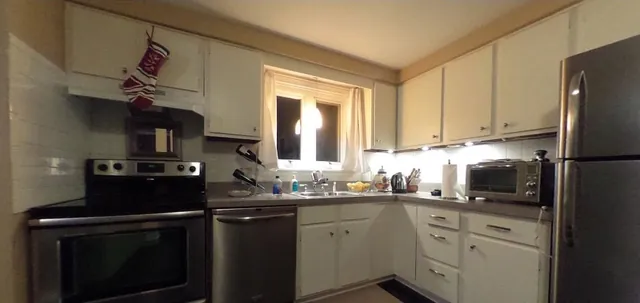 Real estate
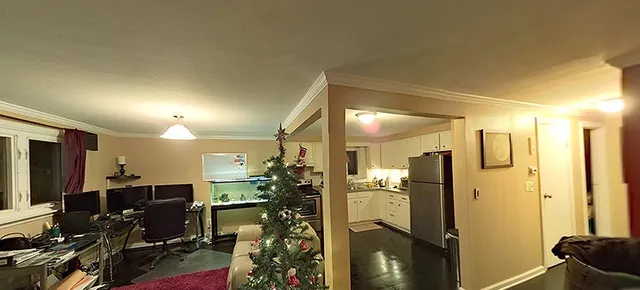 Real estate
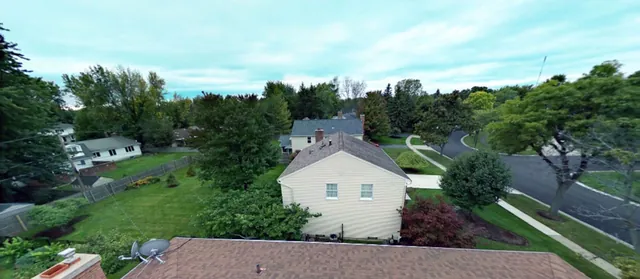 Aerial
 Aerial
 Aerial
 Outdoor
 Business
 Business
What you are looking at
These are self-hosted tours. The panoramas, the viewer and the tiles all sit on this domain rather than on someone else’s platform, which is why they are still running years after they were photographed and why there has never been a subscription attached to any of them.
Alongside these, we publish tours directly to Google through the Street View Trusted program, where they appear on a business’s own Google Maps listing rather than on our site. If you have found us from a Google listing, that is what you were looking at.
Every tour here was produced the same way: HDR brackets shot on a panoramic head, merged and stitched locally, points connected in walking order, then published. The client keeps full copyright to their images.
What to look for while you are in one
Three things separate a tour that earns its keep from one that was simply produced, and all three are visible in the tours above if you know to look.
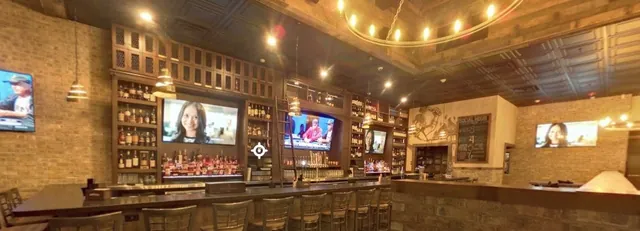
- Where the first sphere puts you. A tour should open where a visitor would naturally arrive: at the host stand, inside the front door, at the end of the driveway. Open the Oak Stave tour and you land at the bar, because that is the room that decides whether someone books a table.
- How the bright windows behave. A single exposure forces a choice between a blown-out window and a dark room. HDR bracketing means you get both. Look at the Protocol Ballroom tour: the daylight through the far windows still has detail in it while the room stays lit.
- Whether you can tell where you are. Points should connect the way a person walks, not the way a floor plan is drawn. If you find yourself disoriented in somebody’s tour, that is a production decision, not a limitation of the medium.
Why some of these are aerial
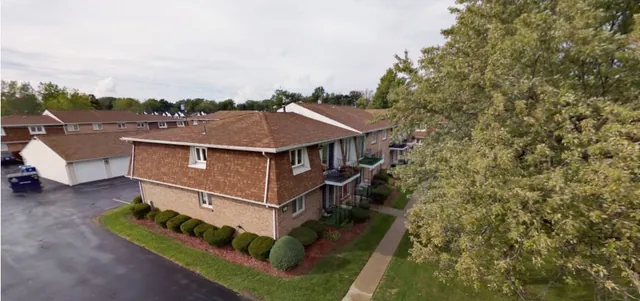
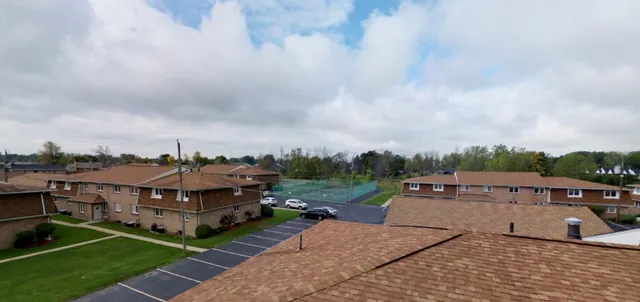
Four of the tours above were shot from above the roofline. For a property where the lot, the driveway, the yard and the street matter as much as the rooms (which is most residential listings and every site with grounds), an aerial sphere carries information no ground-level photograph can. Look at the Old Orchard tour: house, garden, neighbors and the road, all in one image you can turn around inside.
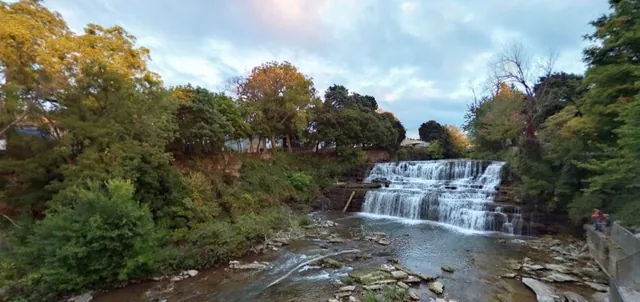
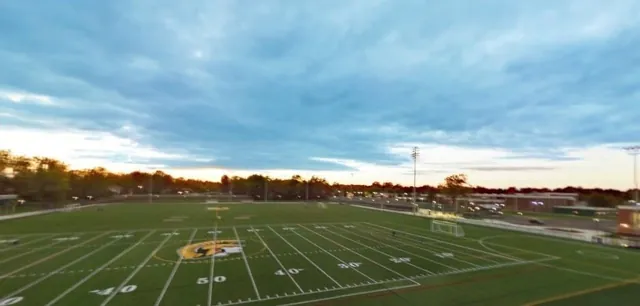
The same technique does different work outdoors. North Stadium puts you over the center of an athletic field at dusk; Glen Falls puts you on the creek bed looking up at the waterfall. Neither of those is a photograph you could take standing on the ground with a normal lens.
These tours are old, and that is the point
Several of the tours on this page were photographed years ago. They are still here, still loading, still costing their owners nothing, because they were built to be owned rather than rented. That is worth weighing if you are comparing a one-off tour against a platform that bills monthly for as long as you want your own space to stay online.
Your space could be on this page
Tell us what you want people to see and we will suggest a set of points and put a quote together.